
Promotional products that get used, and the ones that get binned
Thirty years of sourcing branded kit, distilled: the decoration methods that actually suit your product, the small details that sink orders, and how to buy merch that gets used instead of binned.
Written by Tanya Dixon
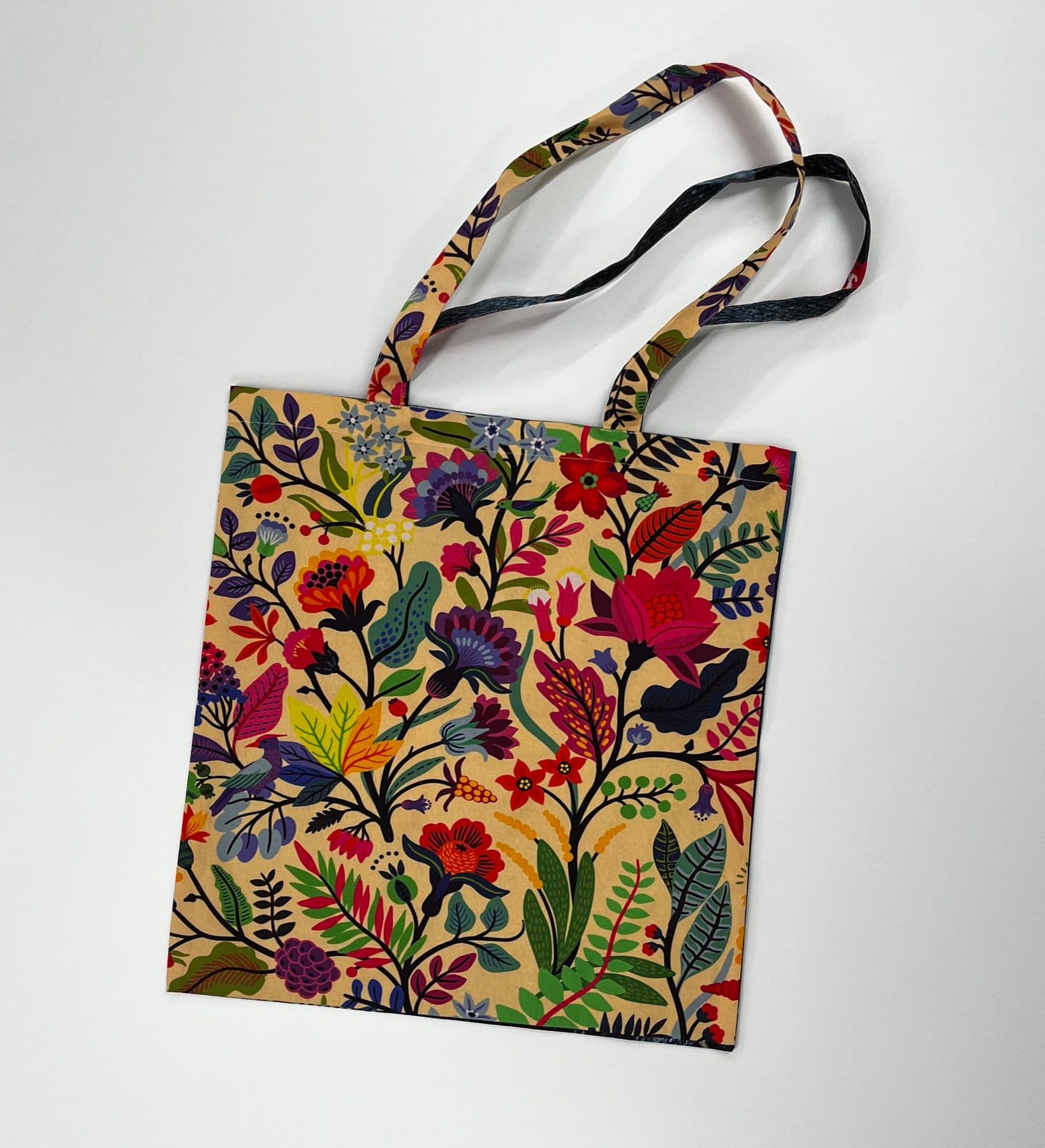
Most branded merchandise fails for one boring reason: it was bought as an afterthought, chosen on price, with no thought given to whether anyone would use it. Thirty years of sourcing branded kit has taught me the gap between merch that works and merch that gets binned is almost never budget. It is judgement, applied early.
So here is the knowledge that actually decides whether your spend lands.
The one question that predicts success
Will the person receiving this genuinely use it? That is the whole game. A sturdy tote, an insulated bottle, a warm beanie: these travel into the world for months and carry your brand with them. A plastic gadget gets a laugh and a drawer.
So, match the product to the person, not to a price bracket. Festival giveaway and client thank-you gift are completely different briefs. Start from who receives it and the product tends to choose itself.
Decoration methods, decoded
This is where orders are won or lost. The method has to suit the product, the artwork and the quantity:
| Method | Best for | Watch out for |
|---|---|---|
| Embroidery | Polos, caps, fleece; premium and durable | Priced by stitch count; no fine gradients |
| Screen print | Cotton tees and bags at volume | Not for photographic or multi-colour art |
| Digital / DTG | Full colour, short runs, complex art | Wash durability a notch lower |
| Pad print | Pens, mugs, curved hard items | Small print areas only |
| Dye sublimation | All-over prints, corner to corner | Polyester and light fabrics only |
| Deboss / laser | Premium notebooks, metal bottles | Subtle, single-colour effect |
The details that quietly sink an order
- Colour: match to a Pantone reference, not "near enough." Off-brand colour is the fastest way to look cheap and weaken recognition.
- Artwork: supply vector files (EPS, AI or a proper vectored PDF), never a logo pulled off your website. Wrong files are the top cause of delays (I can help you with this).
- Sizing: for clothing, order a size set or samples first. Nothing kills a garment order like a fit nobody will wear. I love a sample request!
How far ahead to order
| Order type | Minimum | Lead time |
|---|---|---|
| Stock item, overprinted | Low | 1 to 2 weeks |
| Bespoke, made from scratch | Higher (tooling) | 4 to 6 weeks or more |
Sustainability, without the greenwash
Audiences increasingly expect responsible options, but the label matters. Look for real substance rather than a vague "eco" sticker:
- Recycled RPET made from plastic bottles
- Organic or recycled cotton
- FSC-certified paper and notebooks
- Recognised standards such as GRS, with proof
What consistently works, and what to avoid
- Works: good bags, drinkware people want to own, well-fitted apparel, useful everyday-carry items.
- For events: one statement piece that gets photographed beats a table of small giveaways.
- Avoid: cheap plastic novelty. Disposable is exactly how it gets treated, and your brand goes in the bin with it. Reusable is eco friendly and also gives your company a good story.
If you can picture it, someone somewhere makes it. The skill is matching the method to the product and catching the small things before they cost you.
Common questions
Is there always a big minimum order?
No. Overprinting stock items often has genuinely low minimums. Bespoke, made-from-scratch products are where minimums climb, because of tooling.
How far ahead should I order for an event?
Two to three weeks for stock items with a print, four to six weeks or more for anything bespoke. Tighter than that, tell me the deadline and I'll be honest about what is achievable.
Will going through you cost more than buying direct?
Usually less. Trade pricing tends to beat buying alone, and you save the hours of sourcing and proofing.
Got an event or team kit-out in mind? Tell me what you are trying to achieve and I will find the right way to make it. Start a conversation, or see recent creative sourcing work.
About the author
Tanya Dixon, founder of FAAFO
Tanya is an outsourced marketing manager with three decades in print, design and marketing. She helps businesses without an in-house team look like they have one with strategy, digital comms, creative sourcing and web, handled end to end.
More from the blog
All posts
The hostage negotiator's guide to social media
Five things businesses get wrong on social media, and how to talk yourself down before you post something you'll regret.
Read more
When you don’t know what to post?
Stuck what to post? Read about the wooden bottle opener, if nothing else it’ll give you a laugh!
Read more
How to show up online consistently without it eating your week
Consistency beats brilliance every time. Here's the content-pillar and batching system I set up for clients so their marketing keeps running through a busy week, with the ratio and the metrics that actually matter.
Read more